
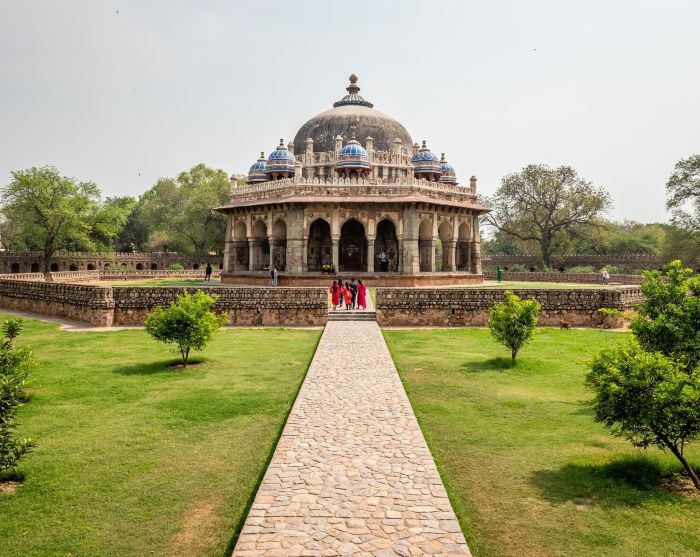
Introduction to UNESCO World Heritage in India
India is the place where history not only exists in books but is alive in ancient walls, echoed in the temple bells and flows in the thick forests. Being one of the most rich culturally and naturally, India has more than 40 UNESCO World Heritage Sites that reveal diversity and civilization of the country.
From the snow-covered Himalayas to the sun-saturated temples of Tamil Nadu, each site is unique and full of history formed for centuries. These places are not only attractions for travelers but living museums of human creativity and evolution. When visiting UNESCO sites of India, you walk through the pages of history of the whole world written on stone and nature.
What makes these places really fascinating is their ability to connect the past and present together. Whether it is the architectural splendor of Mughal Emperors or the ecological wealth of Indian national parks, each site serves as a reminder of humanity’s obligation to protect the beauty of the world.
UNESCO Heritage Importance Understanding
UNESCO World Heritage Sites are those sites that have outstanding universal value. In other words, these places are important not only for one country but for the entire world. India now includes more than 40 UNESCO World Heritage Sites making it one of the leaders in terms of heritage recognition worldwide.
These sites are divided into categories of cultural, natural, and mixed heritage. Cultural heritage includes monuments, forts and cities. Natural heritage consists of national parks and biodiversity hotspots. Mixed heritage represents combination of cultural and natural values.
Importance of these sites is bigger than tourism since these sites play a huge role in conservation, education and cultural identity preservation. As UNESCO states, protection of these sites gives an opportunity to learn about human history and natural evolution.
As travel experts say, UNESCO sites are “windows into civilization” where everything speaks of innovations, devotion and survival.
Taj Mahal and Mughal Heritage Sites
Mughal heritage of India is one of the most recognizable examples of architectural perfection in the world. Grandeur, symmetry, and art of these monuments attracts millions of tourists annually.
Taj Mahal
The Taj Mahal located in Agra is called the monument of love and one of the most beautiful buildings in the world. Created by the order of Emperor Shah Jahan in memory of his wife Mumtaz Mahal, Taj Mahal is made entirely from white marble with the magnificent carvings and decorated with various stones.
This monument features perfect symmetry and architectural preciseness. While the color of this monument changes during different times of the day starting from soft pink in the morning till glowing white during the night, Taj Mahal becomes one of the most photographed landmarks in the world.
Recognized as the masterpiece of Mughal architecture, Taj Mahal seems to be the expression of love and poetry.
Agra Fort
Another monument located in a few kilometers from Taj Mahal and included in the list of UNESCO sites is majestic Agra Fort that was used to be the residence of Mughal emperors.
In the massive walls of the fort, there are many palaces, halls, and mosques that show the mixture of Islamic and Hindu architecture. From this fort, you can see the impressive view of the Taj Mahal in the distance.
Visiting Agra Fort means getting into the city where you can walk around and listen to the history of empire, power and great era.
Rock-Cut Cave Architecture of Ancient India
Ancient India’s rock-cut caves are one of the most extraordinary works in the field of architecture. Carved in rock faces, these caves demonstrate remarkable craftsmanship and spiritual devotion.
Ajanta Caves
The Ajanta Caves located in Maharashtra are the group of Buddhist cave monuments dated 2nd century BC. Known for its murals and frescoes, this place presents the life of Buddha and the life of ancient India.
Paintings at Ajanta are the real masterpieces of classical art. Despite the fact that they were painted centuries ago, their colors and details are remarkably preserved. For a long time, these caves were hidden in dense forests and discovered only in the 19th century, showing the forgotten world of spiritual artistry.
Ellora Caves
Ellora Caves present religious harmony because it is the place where Hindu, Buddhist and Jain monuments are placed side by side. One of the most famous monuments of these caves is the Kailasa Temple that is dedicated to Lord Shiva and carved out of a single rock.
This architectural miracle is considered to be one of the largest monolithic structures in the world.
Together, Ajanta and Ellora present the powerful corridor of Indian spiritual culture.
Temple Architecture Wonders of India
India’s temples are not only the holy places but architectural masterpieces that reflect devotion, mythology and cosmic symbolism.
Konark Sun Temple
Konark Sun Temple located in Odisha is the monument in the form of chariot dedicated to the Sun God. The stone wheels and walls of the temple are covered by carved scenes depicting the life of people, mythology and celestial creatures.
The alignment of the temple with the solar movements makes it a real astronomical wonder of the ancient times. Being in ruins, it still impresses with its engineering preciseness and artistry.
Khajuraho Group of Monuments
Khajuraho temples located in Madhya Pradesh are famous due to the detailed sculptures that present spiritual themes along with human emotions and everyday life.
The artistry of Khajuraho is characterized by its boldness, expressiveness and deep symbolism. It is the philosophy where spirituality and human experience exist in harmony.
Natural UNESCO Heritage Sites of India
India’s natural heritage sites are the demonstration of the amazing biodiversity and ecological wealth of this country.
Kaziranga National Park
Located in Assam, Kaziranga National Park is the habitat of the biggest population of one-horned rhinoceroses. In addition, Kaziranga National Park is the sanctuary of elephants, tigers and various birds.
Wetlands and grasslands of this park create unique ecosystem supporting endangered species. Kaziranga is recognized by UNESCO due to the outstanding results of its conservation.
Western Ghats
Western Ghats located in the west of India are considered to be one of the eight “hottest biodiversity hotspots” of the world. Being a home for thousands of various species of plants and animals, the majority of which cannot be found anywhere else in the world, this mountain range presents natural wonder and ecological wealth.
Historic Cities Recognized by UNESCO
There are some cities in India that are so historical that the entire urban landscape is recognized as heritage site.
Jaipur City
Jaipur city, or the Pink City, is one of the most wonderful examples of the planned urban architecture of the 18th century. Founded by Maharaja Sawai Jai Singh II, it has a grid pattern that was taken from the ancient Indian architectural principles.
The pink buildings, palaces and markets make Jaipur one of the most colorful cities of India.
Ahmedabad City
Ahmedabad located in Gujarat is the first UNESCO recognized historic city of India presenting centuries of architectural development from ancient pols to Islamic and Hindu monuments.
Conclusion
UNESCO World Heritage Sites of India are more than the popular destinations; they are living narrations about human achievements and natural wonders. Each site presents a different page from the long and diverse history of India from ancient cave paintings and majestic temples to thriving ecosystems and royal cities.