
Exploring the True Essence of Self-Care
Self-care has become one of the widely-discussed topics nowadays, and still, many people misunderstand the concept. Often self-care is perceived as something related to spas, luxurious holidays, or some treats. However, there is another dimension of self-care, which is much deeper. According to the WHO, self-care includes the ability of individuals, families, and communities to promote health, prevent disease, maintain wellbeing, and cope with illness, whether or not under the guidance of professionals. Proper nutrition, regular physical activity, sufficient sleep, and social interaction are seen as key self-care actions by health organizations.
It is important to imagine self-care as caring about the car. Everybody remembers to put the gasoline in it, but sometimes they forget about oil changes, checking the tire pressure, etc. Until something is broken, they do nothing. Just as it is with the car, it is with humans. Instead of waiting for the burnout, illness, or exhaustion, it is much more beneficial to take some preventive steps every day. Taking care of oneself is not being selfish – it is responsible behavior. People, who take care of themselves consistently, are ready to care about their families, be efficient at work, and enjoy the better quality of their lives.
Why Self-Care Is Especially Important Now
Today people lead fast-paced lifestyles with numerous notifications, work obligations, money issues, and information overload. As a result, they have a lot of stress in their lives. On the other hand, various global health organizations keep stressing the growing importance of self-care as a health approach. According to the WHO, billions of people around the world have no access to health care services and that is why self-care is especially important for maintaining overall well-being. There are also millions of people all around the world suffering from some kind of mental disorder. So, one should understand that self-care is necessary now.
Self-care is especially important now
As simple actions such as exercising, having a good sleep, being outdoors, spending time with close people can positively affect both physical and emotional health. It is one of the beauties of self-care – you do not need anything special to start doing it. The consistency of actions is much more important than their perfection.
How Mental and Physical Health Are Connected
There is a perception that people should take care of their mental and physical health separately. However, they are closely connected. As long as the body is healthy and has enough energy, people are going to be mentally better. As long as they have problems with the mental state, people start feeling bad physically. Stress, anxiety, and depression can cause headaches, problems with the digestive system, muscle tension, sleeping issues, and weakened immunity.
Research shows that exercise, sleep, and proper nutrition are important for physical and mental health. There are hormones, neurotransmitters, and other interactions between the body and the brain. The stress thought makes the heart beat faster, and the exercise makes people feel better psychologically very quickly. That is why comprehensive self-care covers all the spheres of health.
How the Mind and Body Influence Each Other
Imagine the human body and mind as two musicians who play the same song. When one is out of the rhythm, the performance is going to be bad. The stress makes people get inflamed, have high blood pressure, and even develop chronic diseases. At the same time, being ill can make people stressed and affect their psychological state.
That is why there is an excellent opportunity for self-care here. When people use positive habits in their lives, they will have the benefits that will cover all the spheres of health. Thirty minutes of walking can have an effect on cardiovascular system, sleep, stress level, and mental clarity. So, self-care works precisely because it deals with the root causes of problems and not the symptoms only.
How to Prioritize the Quality of Sleep
There are a lot of people who give up their sleep to finish urgent tasks, watch movies, or do something else. But sleep influences all systems in the body. According to the information provided by CDC, regular physical activity helps people sleep better and gives them better cognition and emotional regulation. Sleep is not passive but quite active because during it, the body regenerates cells, reinforces immune system, builds new memories, and regulates hormones. Without enough sleep, people cannot concentrate, their mood is volatile, and physical recovery is poor. Lack of sleep can lead to obesity, heart disease, diabetes, and other mental disorders.
How Sleep Helps Maintain Brain Functioning
Recent researches show the importance of sleep for cognitive functioning and emotional stability of people. Scientists find that restorative sleep is necessary for keeping the brain working properly and avoiding any problems with health.
Generally speaking, adults need from 7 to 9 hours of sleep every day. However, there is an important thing to note that sleep regularity matters as much as the duration. The consistency of sleep times helps to regulate the body clock and have restorative sleep.
Strategies to Help Have Good Sleep
There are several evidence-based strategies for having better sleep:
Habit Benefit
Consistent sleep schedule Helps to regulate the circadian rhythm
Avoiding screen time before sleeping Reduces the influence of blue light
Keeping cool and dark bedroom Improves sleep efficiency
Not drinking caffeine late at night Enables deeper sleep
Practicing relaxation techniques Reduces pre-sleep stress
Small actions often have a huge impact. With enough sleep, people will be ready to face different challenges every day.
Benefits of Regular Exercise
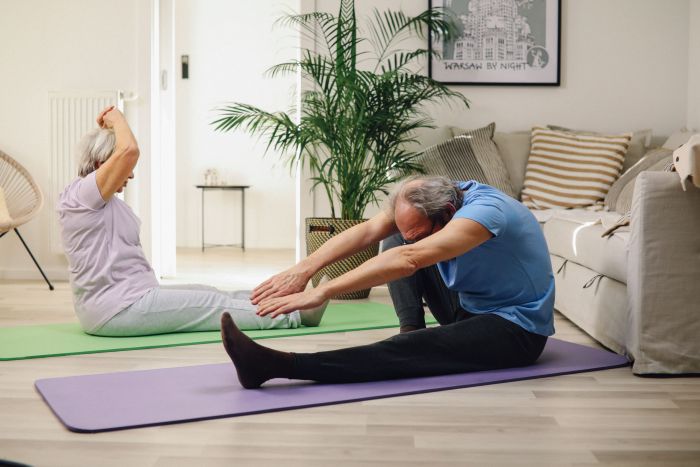
Regular physical activity is one of the most important self-care practices. As opposed to many health-related interventions, exercise has the positive impact on almost every system in the body. According to CDC, physical activity can provide people with immediate and long-term benefits: better mood, reduced anxiety, improved cognition, and sleep quality.
Exercise is one of the unique self-care approaches. It has an immediate impact on the brain: during and after the exercise people feel more energetic, mentally clear, and happy because of the release of endorphins and other substances.
How Physical Exercise Affects Mental State
One of the most impressive things about exercise is the effect it has on people’s mental health. According to WHO, regular physical activity helps people reduce the symptoms of anxiety and depression as well as improves their cognitive functions and decision-making.
The exercise is a great natural stress-relief technique. While people move, they stop thinking about the stressors and focus on their movements. That is why exercise is quite therapeutic for mental state.
What Kinds of Exercise People Should Choose
The best exercise program is the one that people can practice regularly. However, people do not exercise regularly because they chose the wrong type of activity that makes them feel uncomfortable. There are people who prefer gyms, trails, dance lessons, etc. It depends only on them to find the kind of physical activity that they enjoy.
The enjoyable exercise is the exercise that people can practice regularly. It becomes self-care because of its sustainability.
Diet and Healthy Nutrition
Food is the main source of energy for the body, and that is why nutrition is one of the keys of self-care. Every meal is the chance to stay healthy and support one’s mental performance. WHO states that healthy eating is one of the basic self-care actions.
Unhealthy dieting can cause people’s tiredness, emotional fluctuations, inflamed bodies, and even some risks of developing chronic diseases. Nutritious food helps to stay energetic, have strong immune system, and be mentally sharp. Healthy eating is not about perfection and extreme diets. It is about sustainable practice.
Foods That Will Help to Stay Mentally and Physically Healthy
In a balanced diet, there should be a diversity of healthy products:
Food Category Benefits
Fruits and vegetables Vitamins, minerals, antioxidants
Whole grains Sustained energy and fiber
Proteins Food for muscles
Healthy fats Necessary for brain and hormone production
Legumes and nuts Protein, fiber, and healthy nutrients
Also, people should drink a sufficient amount of water because the deficiency of water can have a negative impact on concentration, mental state, and physical performance.
Stress Management Techniques
Although stress is inevitable, chronic stress can be harmful for mental and physical health. Self-care cannot change the stress in people’s lives but helps to manage it more efficiently. The skills of healthy stress-coping can help to prevent some temporary issues from becoming a serious problem.
Stress Management Begins With Awareness
Most of the people operate automatically and neglect the signs of stress. It is possible to recognize stress at the early stage in order to be able to manage it. That is why self-care starts from the understanding of stress.
Mindfulness and Meditation
Mindfulness presupposes living in the present moment without judging. It may sound easy, but in reality, it is quite challenging. People should stop thinking about their past mistakes or future problems and enjoy the current moment fully.
The meditation is one of the most efficient ways of practicing mindfulness. It helps people to manage stress, regulate emotions and increase focus. Even a five to ten minute practice of meditation per day can bring a noticeable improvement over time. Similarly to the muscle strengthening via physical activity, it is also possible to train the brain with mindfulness.
Deep Breathing and Relaxation Techniques
There is also the deep breathing technique that triggers the relaxation response. Deep and controlled breathing lowers the heart rate, reduces muscle tension, and makes people feel relaxed. Such relaxation techniques are especially helpful in stressful situations because they can be done anywhere.
Relaxation can involve such techniques as progressive muscle relaxation, guided imagery, yoga, and spending time in the nature. Also, the WHO highlights that outdoor activities and healthy lifestyle habits can be helpful for mental health.
Creating Strong Relationships and Connecting With Others
People are social creatures and relationships are important for them. They give emotional support, feelings of belonging, and meaning. However, people do not care about their relationships while talking about self-care. They pay attention only to diet and physical exercise. But good relationships are also a kind of self-care that is really important for people.
Good relationships make people stronger because they can help to cope with stress and to be satisfied with life.
Importance of Relationships For Well-Being
According to WHO, the connection with other people is one of the components of healthy self-care practices.
Quality relationships matter more than the quantity. Only a few relationships can be much more useful emotionally than hundreds of superficial connections. People should invest time and effort in meaningful conversations and shared experiences.
Digital Wellness and Limiting Screen Time
The technologies made people’s lives easier and helped them to connect. However, excessive screen time has a negative impact on people’s sleep, concentration, work, and mental state. People spend hours scrolling their social media newsfeed without knowing that they spend a lot of their energy.
The digital wellness is about the appropriate usage of technologies. The aim is not to eliminate all screens but to set the boundaries with their usage.
How to Reduce Information Overload
Human brains are not intended to receive a constant stream of information: notifications, news headlines, emails, and messages. It leads to stress, decision fatigue, and distraction.
There are some practical strategies of reducing information overload: screen-free periods, turning off unnecessary notifications, reducing the time spent on social media, and creating technology-free zones at home.
Creating a Successful Self-Care Routine
Many people cannot achieve the success in self-care because of trying to change their lives dramatically. Sustainable development is achieved thanks to small and regular actions. A successful self-care routine has to suit the daily life.
Self-care should be compared with the garden planting. People cannot water plants once and hope that they will grow forever. The same happens with self-care and health.
How Small Actions Can Make a Big Change
The most effective self-care practices are the simplest ones:
Taking a daily walk
Drinking more water
Sleeping regularly
Practicing gratitude
Spend time outdoors
Reducing screen time
Communicating with family and friends
Doing physical activity
These small actions create a big improvement in mental and physical health with the time. What matters is the consistency, not the perfection.
Conclusion
Self-care is not only a popular wellness trend. It is an evidence-based method of improving one’s mental and physical health. Various global organizations, such as WHO and CDC, keep highlighting the importance of healthy lifestyle habits, including physical activity, healthy sleep, proper nutrition, stress management, and social connection.
The most efficient self-care practices are often the simplest ones. A good sleep, healthy food, a good conversation, and daily walk can make a great contribution when people practice them consistently. Mental and physical health are closely connected, and the care about one sphere influences the other.